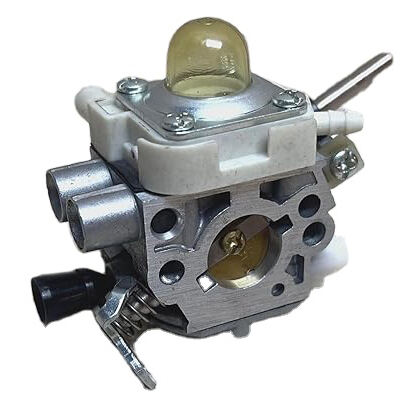
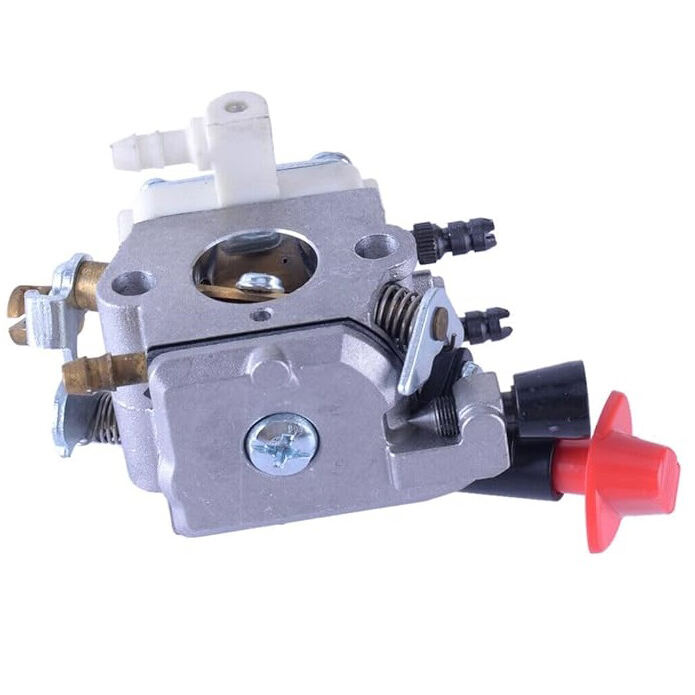
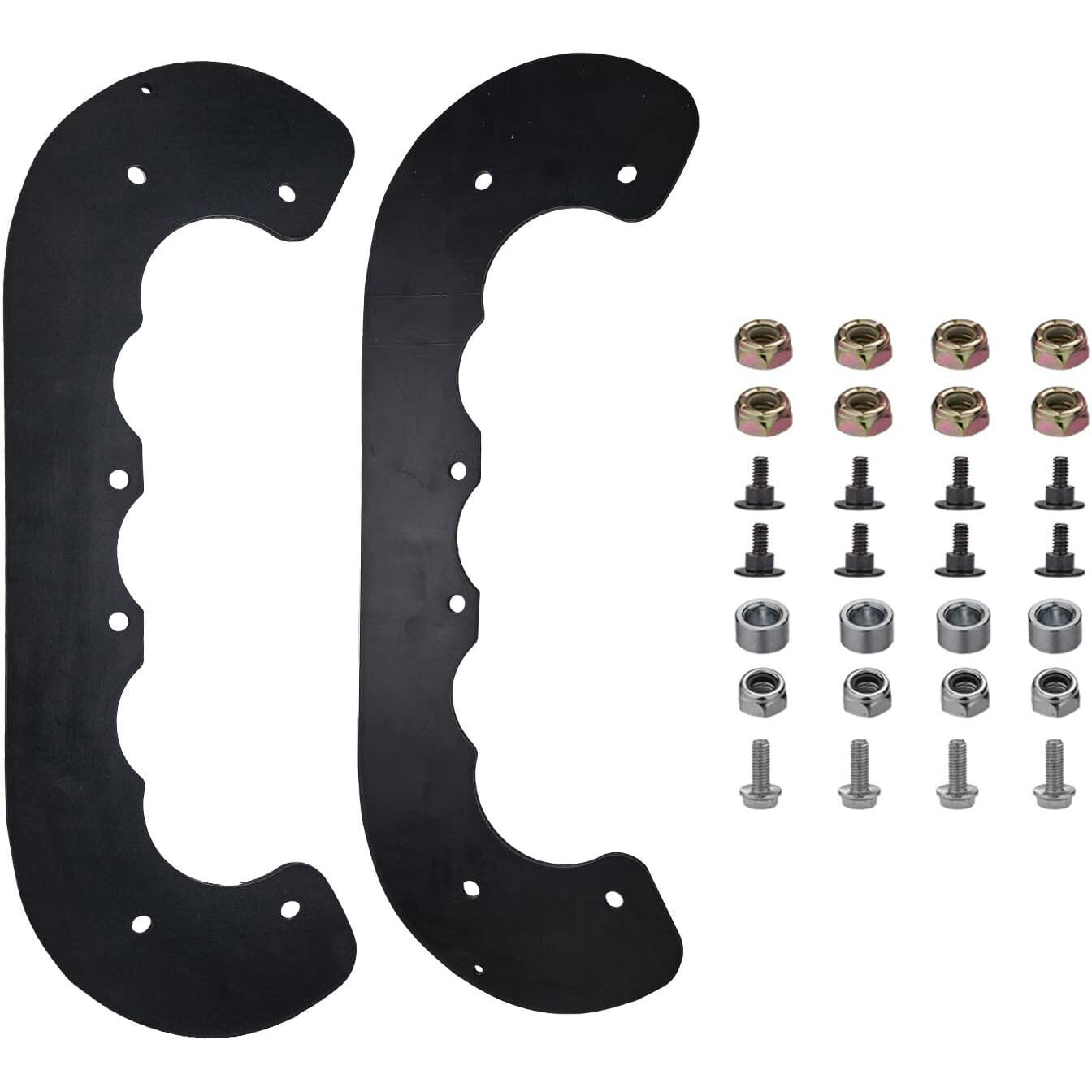
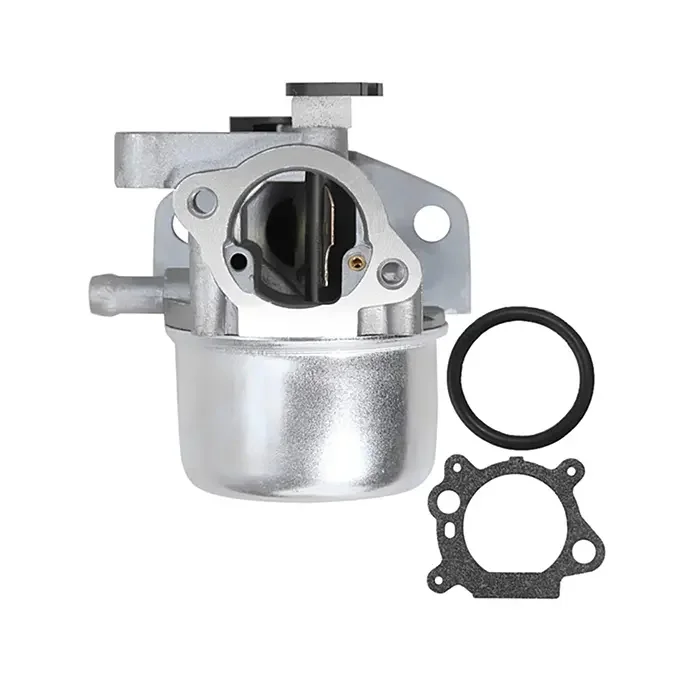
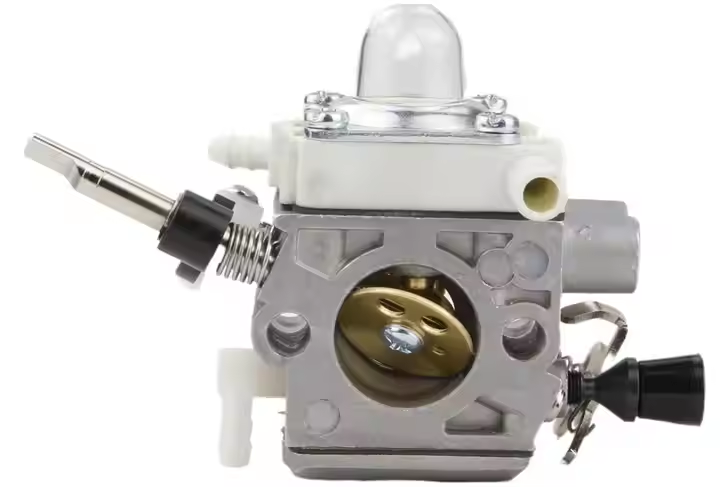
Snow is great! It spreads across the ground and creates stunning landscapes that everyone loves. It can transform the appearance of the world around us, covering everything in white and sparkles. But if you live in a snowy climate, snow can also bring some challenges. When it snows heavily, a snow blower can become your best friend in keeping your driveway and walkways clear. This will allow you, your family and your neighbours to travel safely. The carburetor is the carburetor is the key to keeping your snow blower functioning properly all winter long.
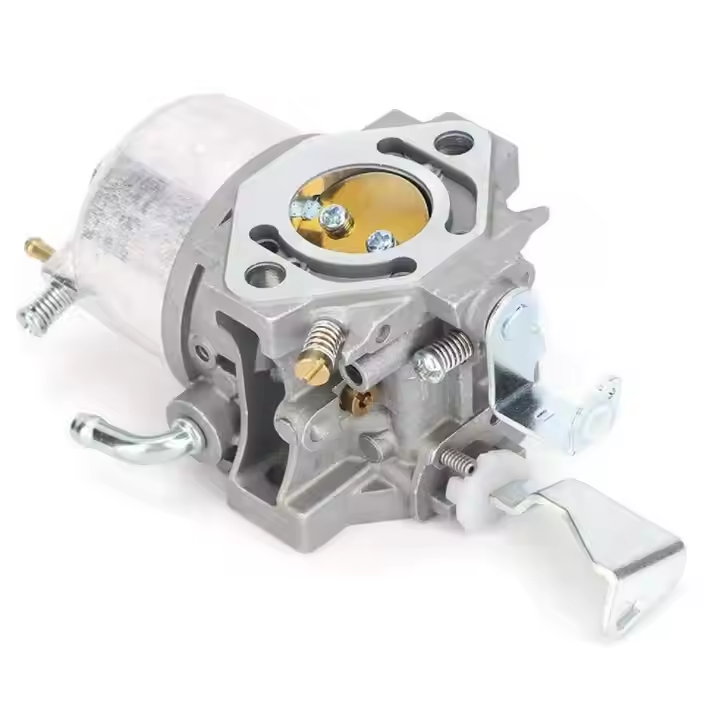
Every now and then, your snow blower just won’t run. If that is the case, it could be because of a carburetor issue. The carburetor is an element that helps mix air and fuel for proper snow blower operation If the carburetor is inoperable, your snow blower may not start at all, or it may start but quickly stall out. This can be quite aggravating, particularly if you have snow to clear.
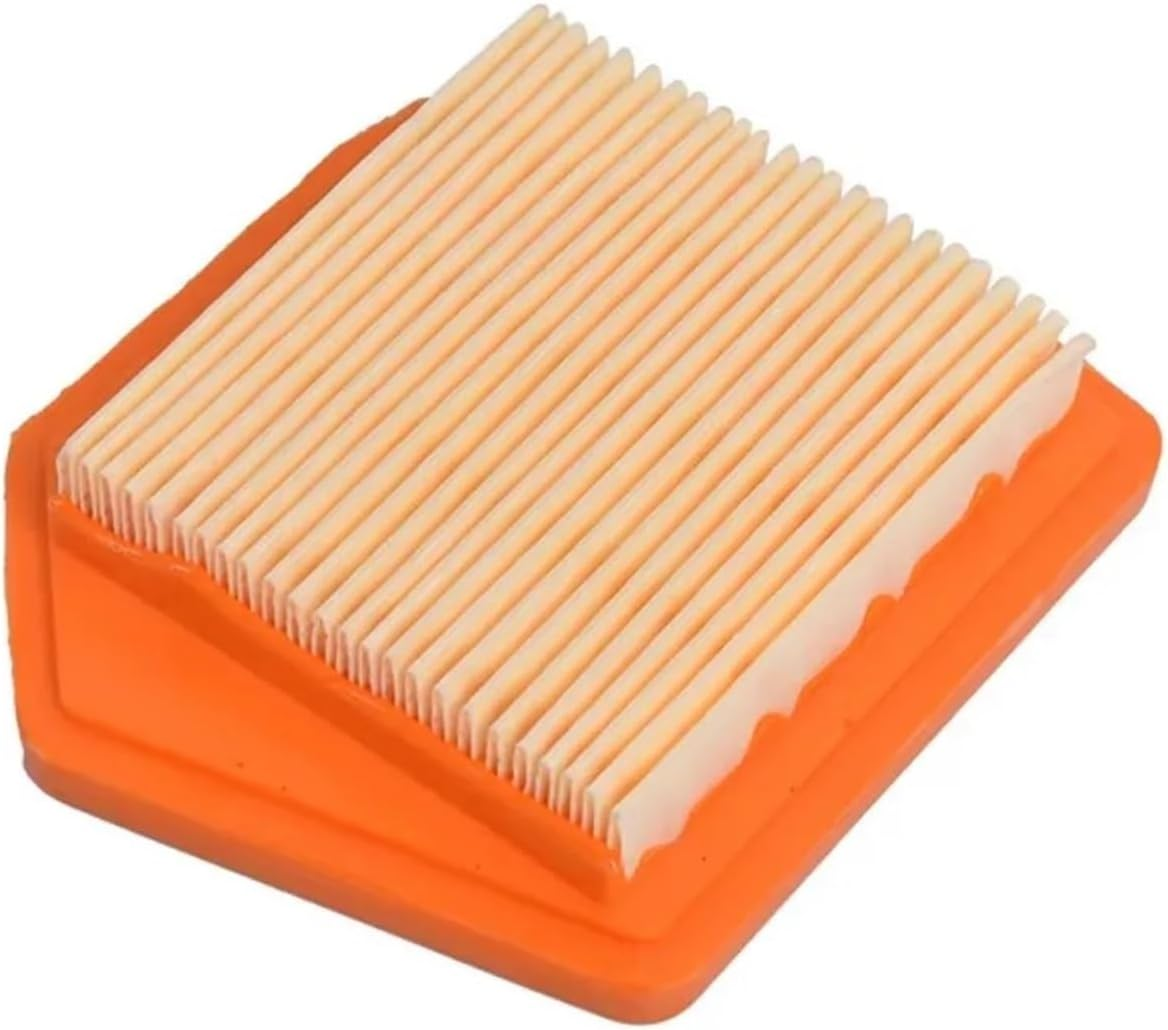
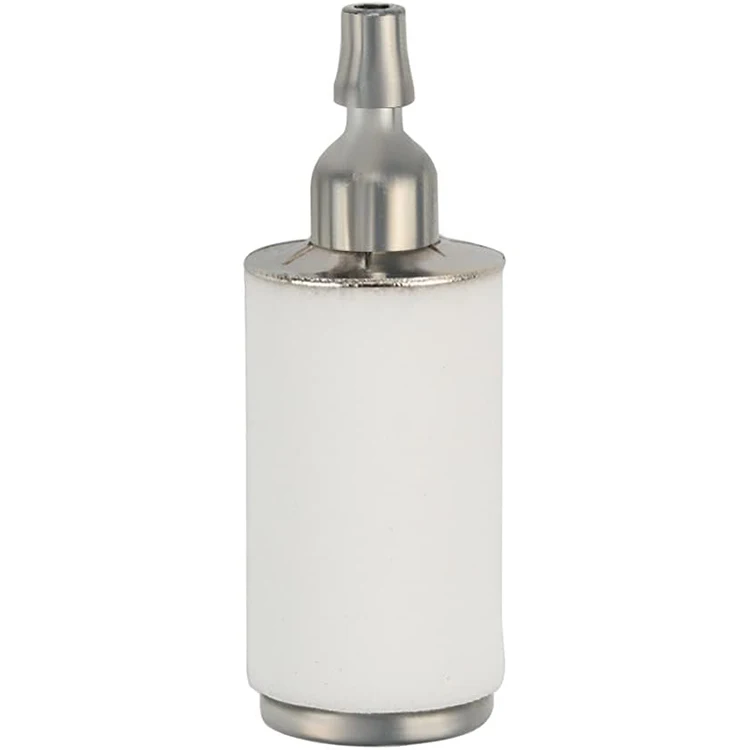
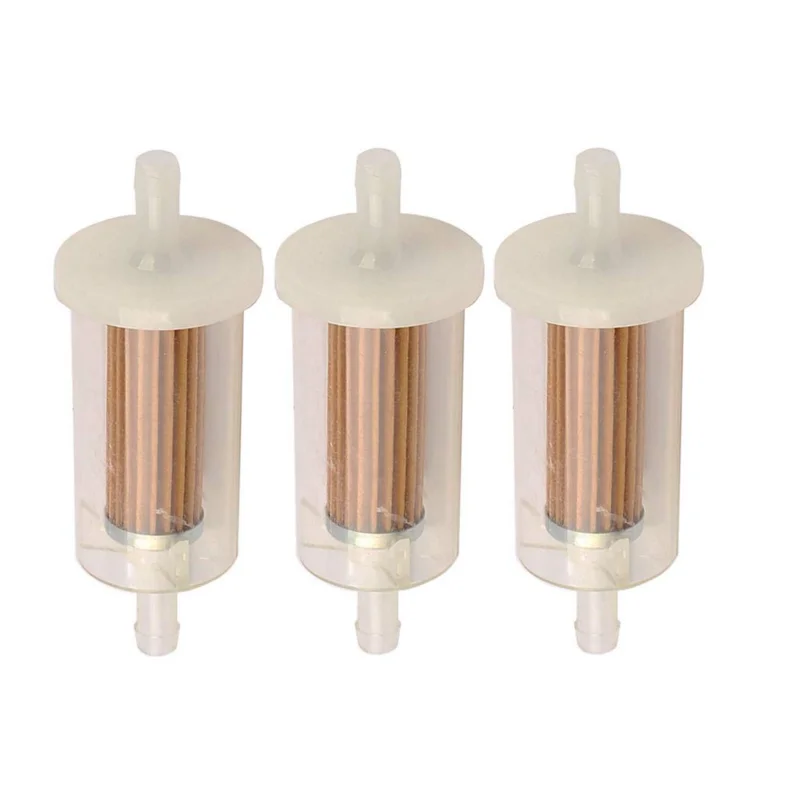
First, make sure the air and fuel clean getting into the carburetor. This is very important! Check the air filter first. Just make sure it is clean and not caked with dirt. A dirty air filter can prevent the air from entering carburetor. 2- Check for a clogged fuel (containers) filter. When the fuel filter is full, so the fuel can not reach the carburetor. If both filters are clean, you need to inspect the carburetor itself to ensure it isn't caked with dirt and is functioning as it should.
Cleaning the carburetor requires removing it from the engine and disassembling it properly. This may come across a little tricky, but it’s crucial. Spray carburetor cleaner, a special type of cleaner, to remove dirt or debris stuck inside. Do not skip cleaning all the small parts: jets and nozzles. They enable the engine to run smoothly. Carefully reassemble the carburetor after you have cleaned everything. Once back in place, try running your snow blower and see if it’s performing better now. If it does, then you nailed it!
If cleaning your snow blower’s carburetor doesn’t improve its operation, you may want to consider replacing the carburetor. Here are some signs to look out for that can help you determine if your carburetor will need replacing. For example, if your snow blower won’t start, or if it runs badly even after you’ve cleaned the carburetor, this is a good indication that you need a new one. Other warning signs include leaking fuel or excessive black smoke from the exhaust. If you’re experiencing any of these problems, it’s time to buy a new carburetor so your snow blower will work properly.
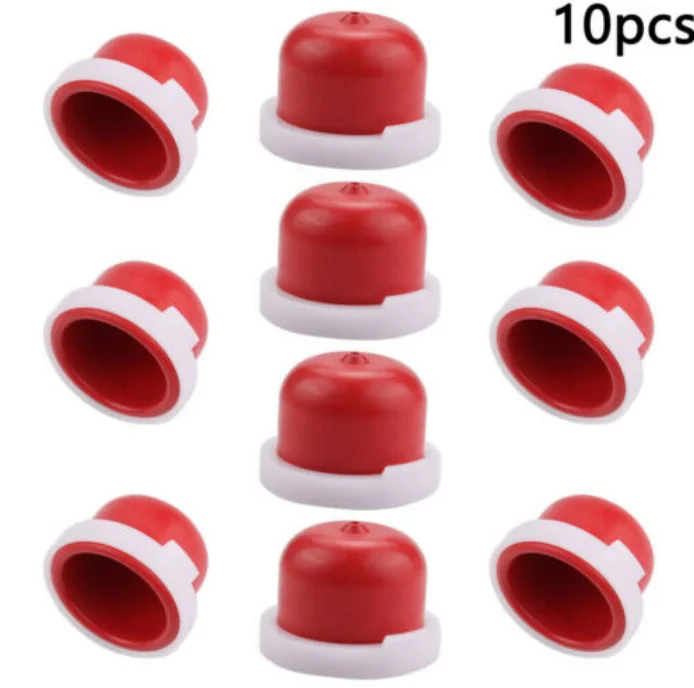
Starting in October 2023, in order to adjust your snow blower’s carburetor, you will need to locate the adjustment screws. They lock down air and fuel mixture going into the engine, and engine idle speed. Tweaking these screws in small increments will help you acheive the right balance between power and economy. Space them out, though, and take your time adjusting to ensure your snow blower is running just right.
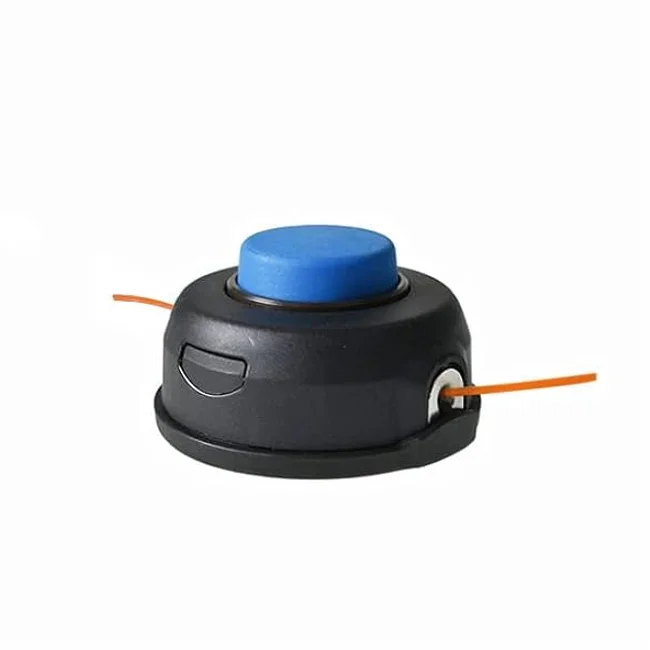
Be cautious when considering an upgrade, as it is crucial that you select a carburetor compatible with your snow blower’s make and model. Changes to the engine may be a must for some carburettors after a replacement, others may be exceptionally simple to install. They can be somewhat straightforward swaps where you simply bolt the new part on. Upgrading does help you get more from your snow blower, which makes winter clean-up easier and more efficient on your end.
Our logistical services are "convenient quick secure and safe" Our reliable system of logistics will make sure the delivery of your order on time and strict security procedures guarantee the order's protection throughout With live snow blower carburetor you'll be able to be informed and confident that your purchase is on their way without any hassle Shop with confidence and the world will be there for you
Fuding Jingyi Rubber and Plastic Co., Ltd., a manufacturer trader established in 2010 excels in RD production, carburetor repair kits and diaphragms from carburetors for outdoor power tool. Our snow blower carburetor lies in diaphragm carburetors. We serve chainsaw, trimmer, lawnmower and brush cutter makers. We're a team of highly experienced professionals who value premium service, rigorous leadership, and unbeatable quality. Our competitive edge: innovating carburetor calibration. We improve production processes with the help of our extensive knowledge of carburetors. We look forward to starting business with you.
We offer a broad range of accessories and carburetor products like snow blower carburetor, filters for air, repair kits for carburetors kits, and other products to satisfy the various demands of our customers. Fuding Jingyi Rubber and Plastic Co., Ltd. is more than just an producer of models for carburetors, we also allow you to customize your requirements. Recognizing the uniqueness of every project, we provide a range of customized services. We aim to craft exclusive carburetor solutions made specifically for your needs.
In our business we pride ourselves on providing snow blower carburetor quality products backed with a unbeatable after-sales guarantee From the first purchase to ongoing use we stand by our products guaranteeing satisfaction every step of the way We're dedicated to providing high-quality services and we extend our services beyond the supply of products If any problems arise we will provide prompt solutions We appreciate your trust and we will work with you to ensure that we meet our commitments

 EN
EN
 AR
AR
 BG
BG
 HR
HR
 CS
CS
 DA
DA
 NL
NL
 FI
FI
 FR
FR
 DE
DE
 EL
EL
 HI
HI
 IT
IT
 JA
JA
 KO
KO
 NO
NO
 PL
PL
 PT
PT
 RO
RO
 RU
RU
 ES
ES
 SV
SV
 TL
TL
 IW
IW
 ID
ID
 LT
LT
 SR
SR
 SK
SK
 SL
SL
 UK
UK
 VI
VI
 ET
ET
 MT
MT
 TH
TH
 TR
TR
 FA
FA
 MS
MS
 AZ
AZ
 KA
KA
 LA
LA