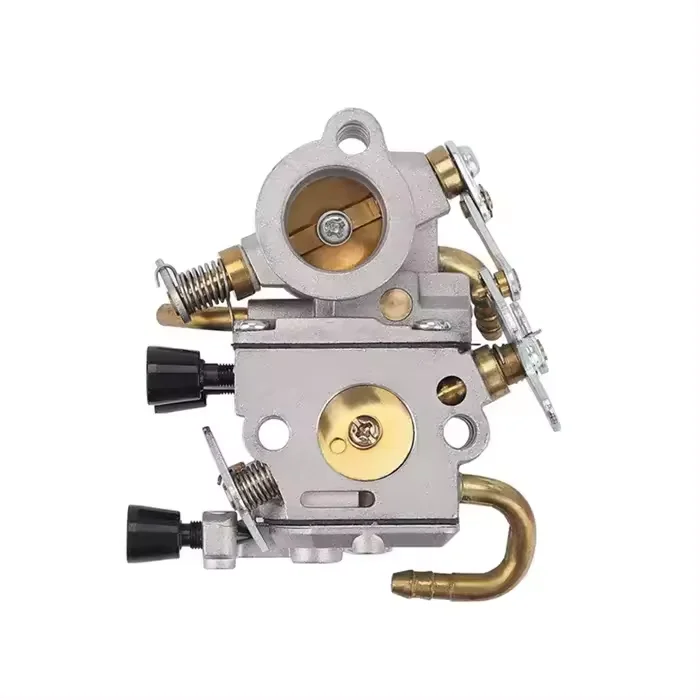
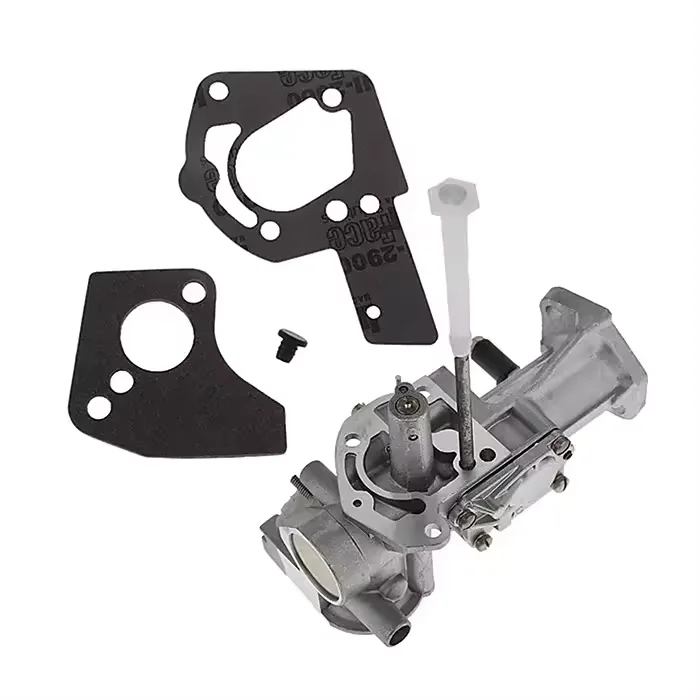
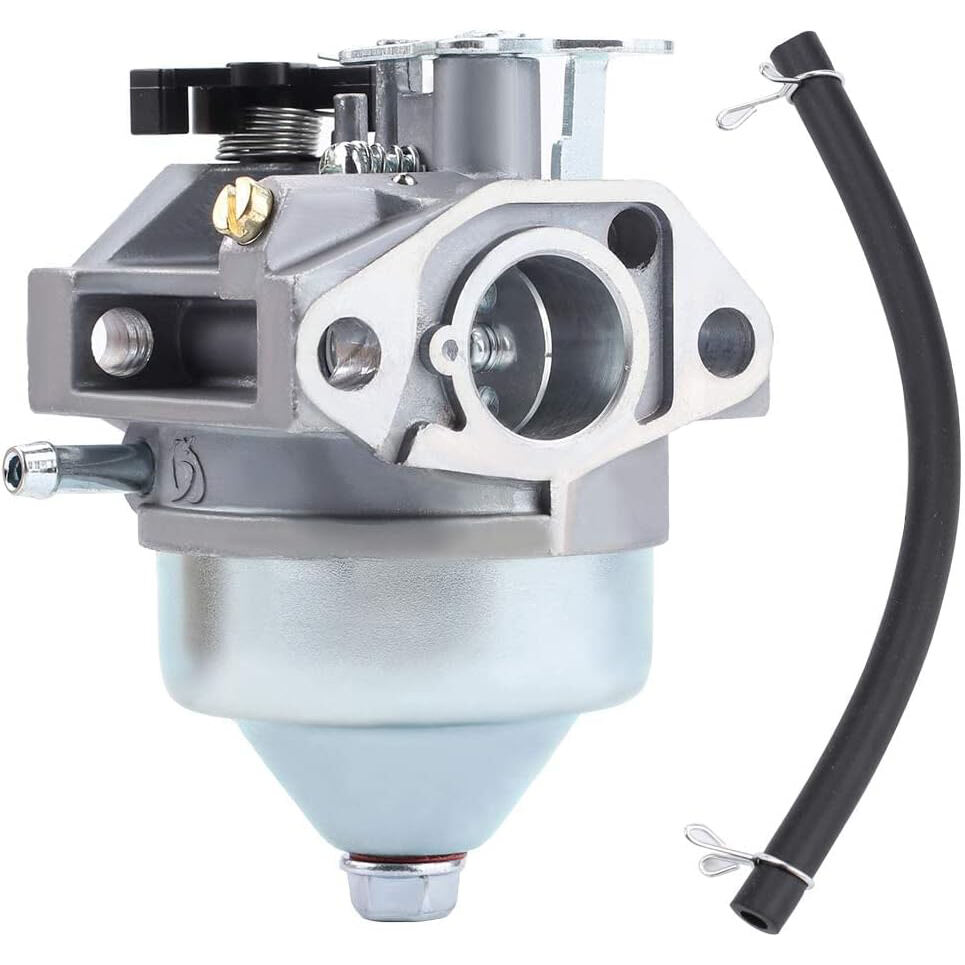
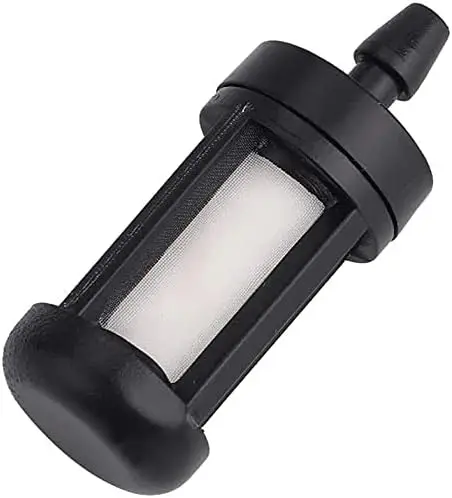
Here’s a quick breakdown of the main components of the Model A carburetor. The choke, the throttle plate, the fuel bowl, and the main jet are among these sections. Each of these components has a role to play. When the engine starts, the choke opens and prevents air from coming in. This helps provide a richer fuel mixture, which is critical for starting the engine. When the engine warms up, it gets hotter, and the choke opens gradually. This lets extra air in, especially for the engine to fire on all cylinders.
A separate critical piece is the throttle plate. It regulates the amount of airflow into the engine. When the throttle plate is closed, less air enters; when it is open more air is allowed to enter into the engine. The fuel bowl is the space in which the fuel sits before entering the engine. Finally, the main jet controls the fuel/air mixture. This combination is critical as it determines how efficiently the engine performs while in motion.
The Model A carburetors have morphed quite a bit since their inception. At the time of their creation, they sported manual choke controls so the driver could adjust them in a hands-on fashion. None of it had any automatic features. But with time went by, technology advanced and that led to automatic choke controls be invented. These new additions not only made the work of the carburetor more streamlined but also made it easier for the driver to use.
During the storage voyage and tumble through the 1980's many lovers of Model As began to experiment with different configurations for carburetors. They looked for ways to make the engines work better. Companies such as XINJINGYI started making new parts. Car owners could then use these parts to modify and tune carburetors to their engines needs. It also allowed for the cars to perform better and be more fun behind the wheel.
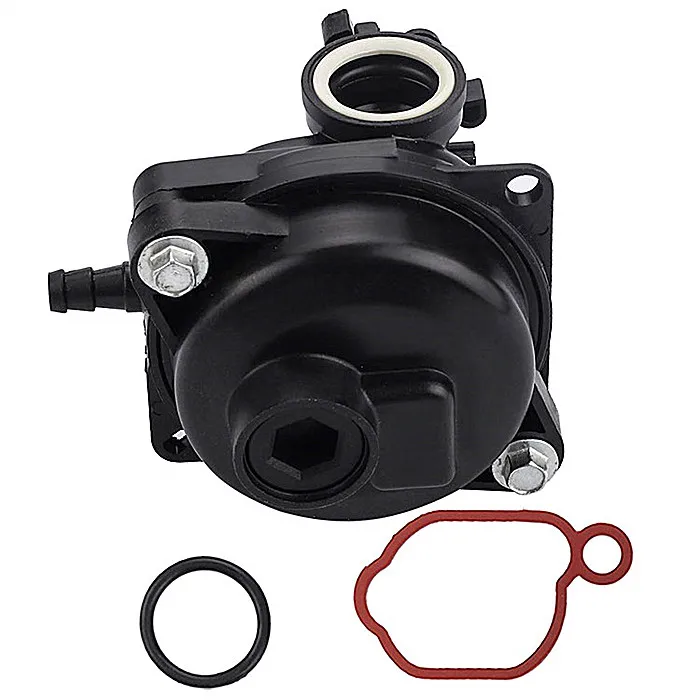
Model A carburetors need to be cared for because they are metal. Metal also tends to develop rust or corrosion over the years, which may not be good for the engine. Regular maintenance is required to avoid this from happening. A significantly more intense maintenance tip is to clean out the carburetor on a yearly or half-yearly basis with a special cleaner. It aids in the removal of dirt or other debris that may be accumulated in the carburetor's various pieces. Doing so also helps to keep the engine sounding good.
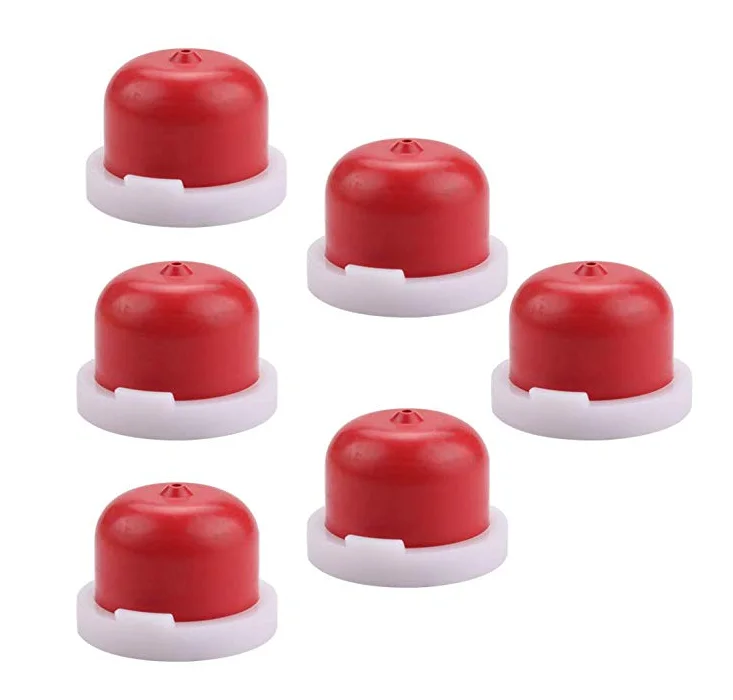
If the carburetor has issues, you might be able to resolve them with a few initial actions. You can also check your carburetor for leaks because leaks can lead to some serious problems. If you notice any issues, you also can adjust the choke. More importantly cleaning the carburetor. It is important that you do regular maintenance to also ensure that all the parts of the carburetor are well-lubricated. This prevents damage and excess wear, which can cause problems later on.
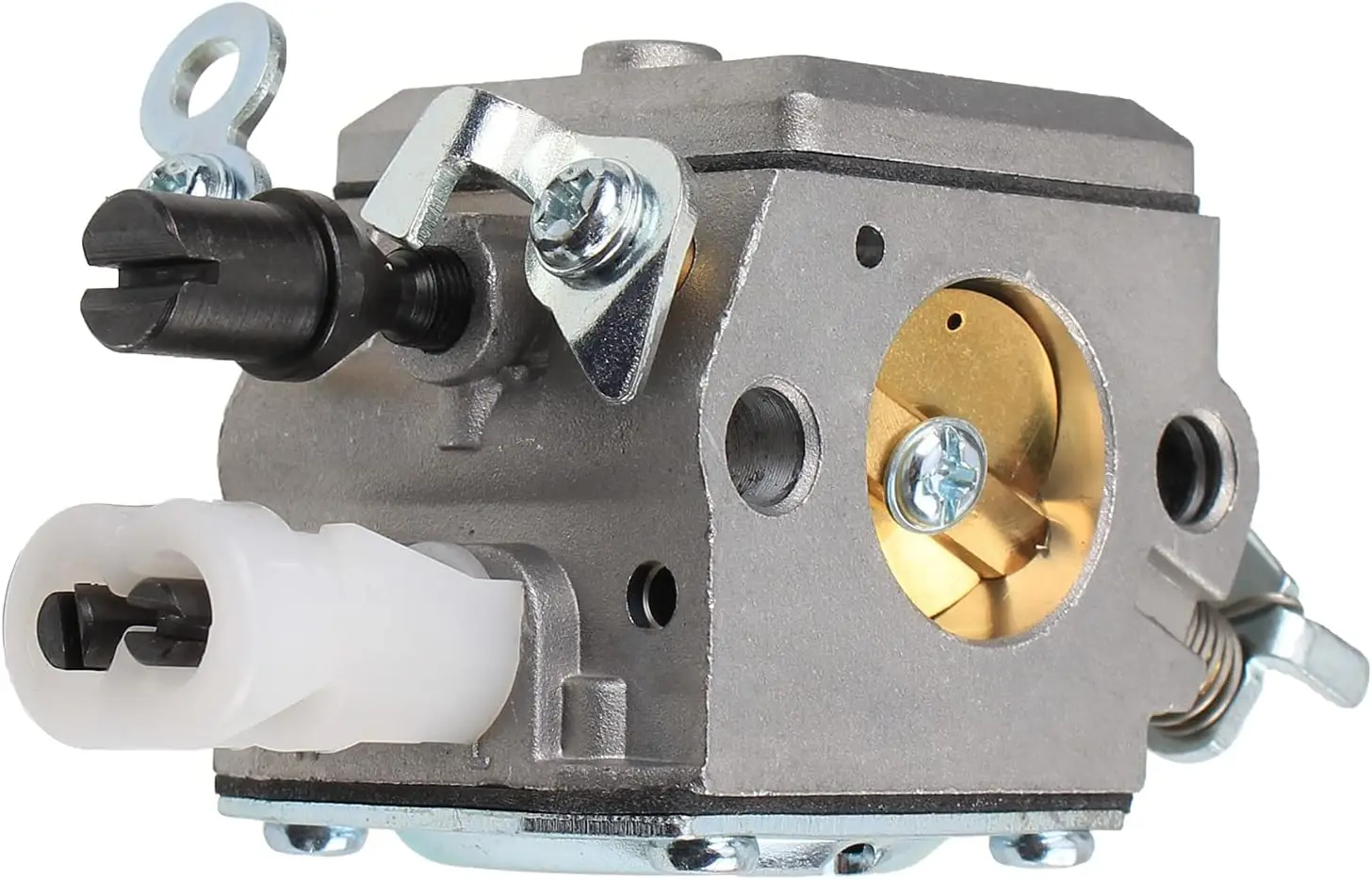
This is something I see many, Model A car enthusiasts doing with their carbs invested in upgrades, and modifications. They do this so the engine can perform better and it makes the car look even more amazing. One popular modification is a high-flow air filter. A filter type that allows way more air in the engine, which can give you more horses. Replacing the main jet or adding performance jets can also increase the power output of the engine and enhance driving fun.
We provide our buyers with "convenient rapid safe and reliable" logistics solutions Our efficient logistics system will guarantee that your order arrives in a timely manner while model a carburetor security measures ensure that the order is protected throughout You can monitor your order in real time and keep track of your order Shop confidently and let the world come to you
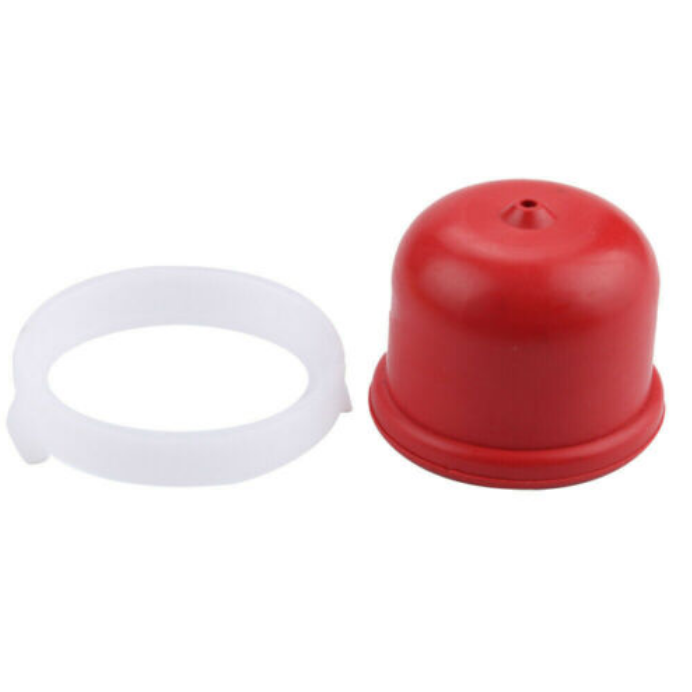
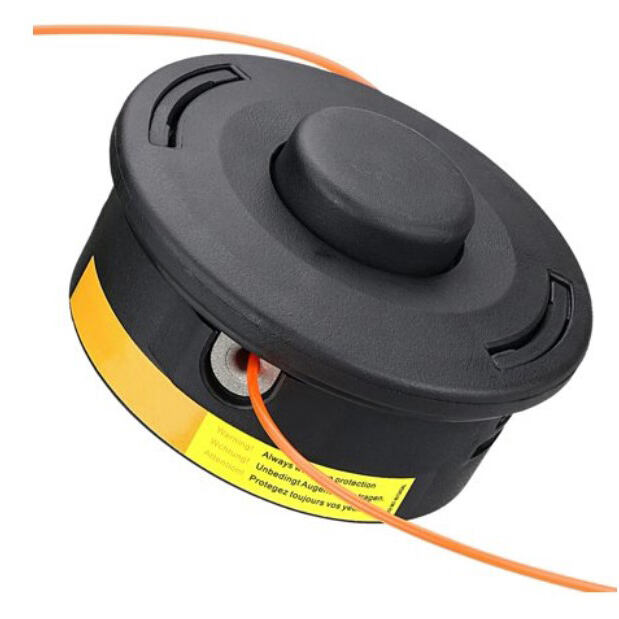
model a carburetor offer a range of accessories and carburetor products such as trimmer heads filters for air, repair kits for carburetors kits, as well as other products that fulfill the varied needs of our clients. In addition we, at Fuding Jingyi Rubber and Plastic Co., Ltd. we go beyond just being manufacturers of carburetor products; we're the enablers for your personalized requirements. We provide a wide-ranging customization service, and aim to develop carburetor products which are customized to meet your specific needs.
Our company believe in offering reliable quality products backed by an unwavering model a carburetor service guarantee From initial purchase to long-term use we stand by our products guaranteeing satisfaction every step of the way Our commitment to excellence goes beyond the purchase offering quick assistance and solutions if issues occur We appreciate your trust and will collaborate together with you to ensure we live up to our promises
Fuding Jingyi Rubber and Plastic Co., Ltd., a manufacturer trader established in 2010 excels in RD production, carburetor repair kits and diaphragms from carburetors for outdoor power tool. Our model a carburetor lies in diaphragm carburetors. We serve chainsaw, trimmer, lawnmower and brush cutter makers. We're a team of highly experienced professionals who value premium service, rigorous leadership, and unbeatable quality. Our competitive edge: innovating carburetor calibration. We improve production processes with the help of our extensive knowledge of carburetors. We look forward to starting business with you.

 EN
EN
 AR
AR
 BG
BG
 HR
HR
 CS
CS
 DA
DA
 NL
NL
 FI
FI
 FR
FR
 DE
DE
 EL
EL
 HI
HI
 IT
IT
 JA
JA
 KO
KO
 NO
NO
 PL
PL
 PT
PT
 RO
RO
 RU
RU
 ES
ES
 SV
SV
 TL
TL
 IW
IW
 ID
ID
 LT
LT
 SR
SR
 SK
SK
 SL
SL
 UK
UK
 VI
VI
 ET
ET
 MT
MT
 TH
TH
 TR
TR
 FA
FA
 MS
MS
 AZ
AZ
 KA
KA
 LA
LA