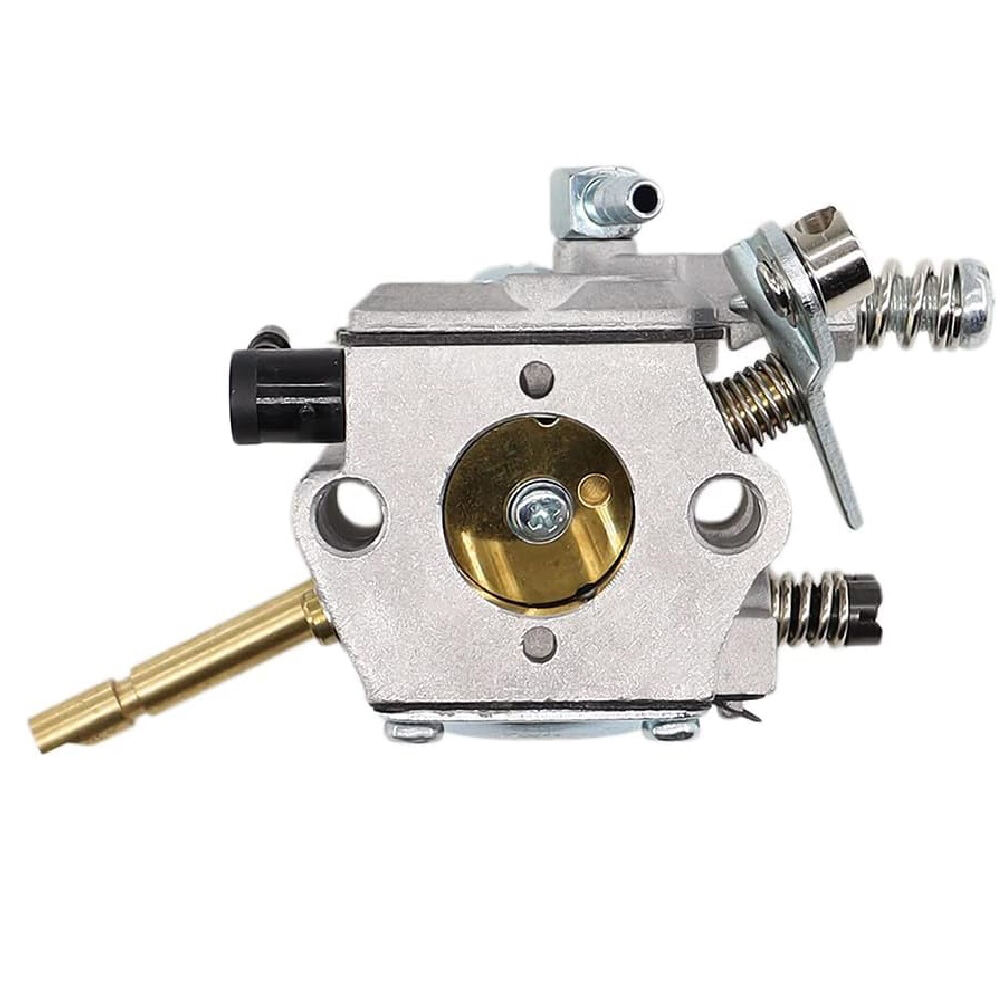
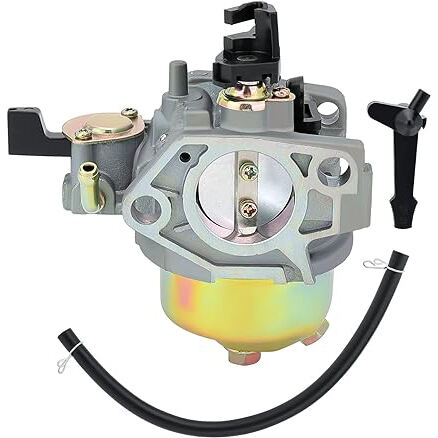
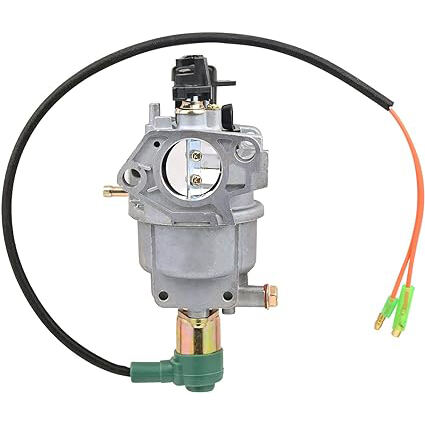
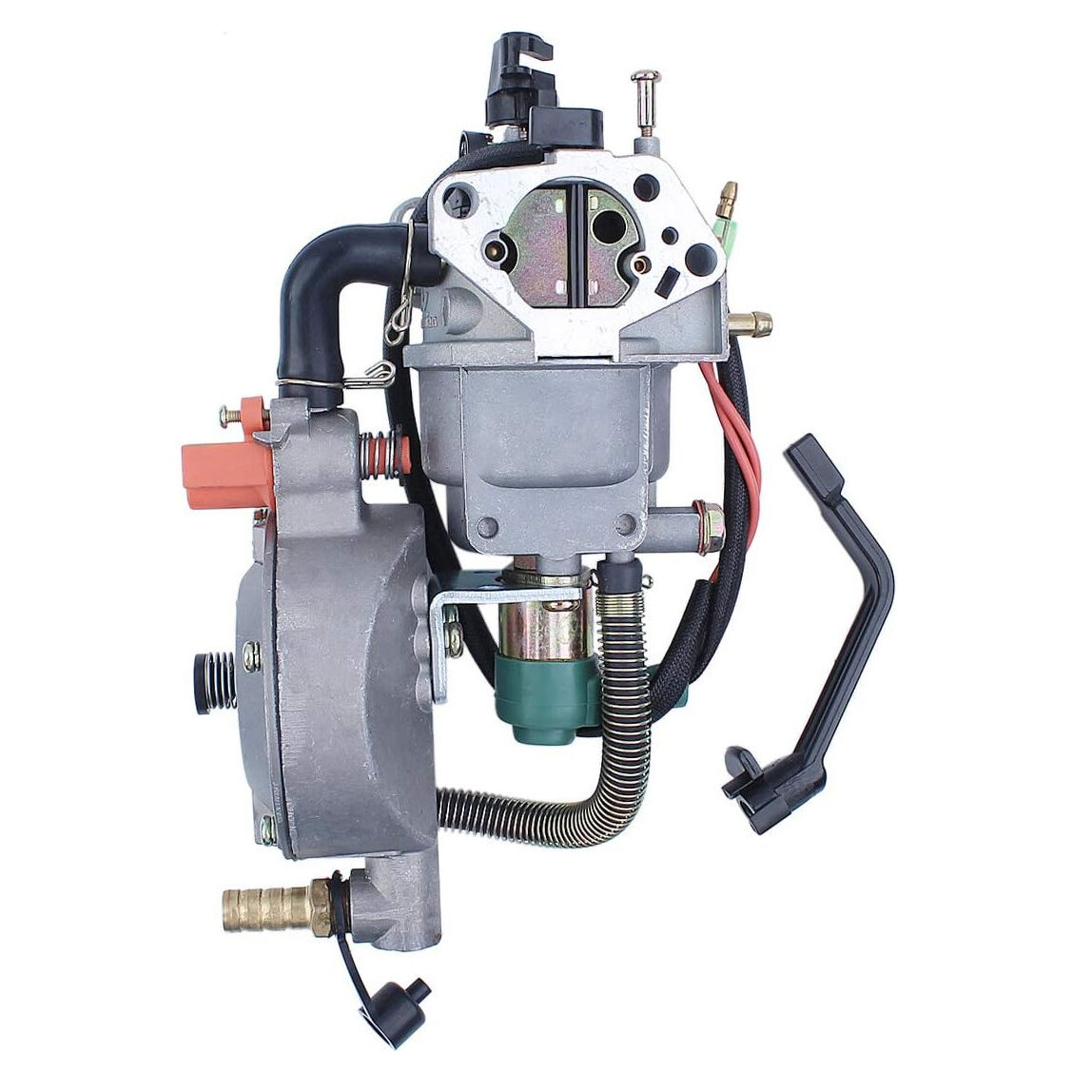
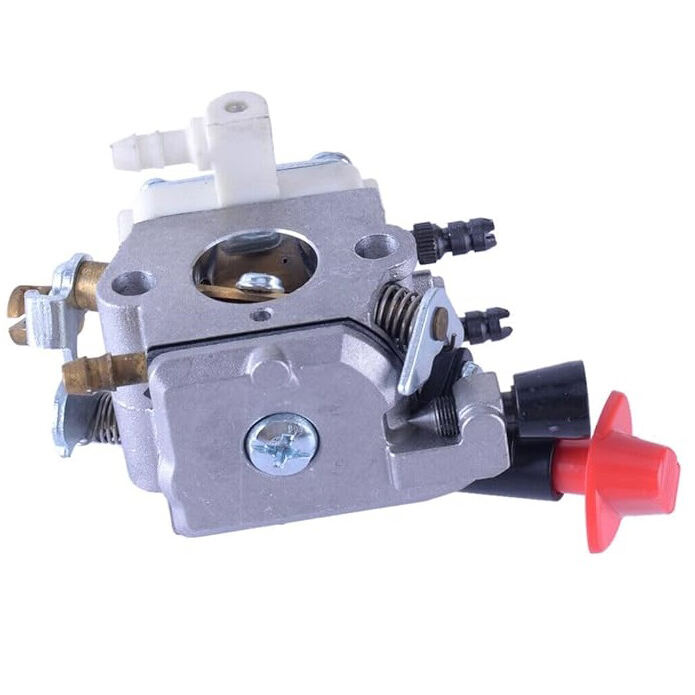
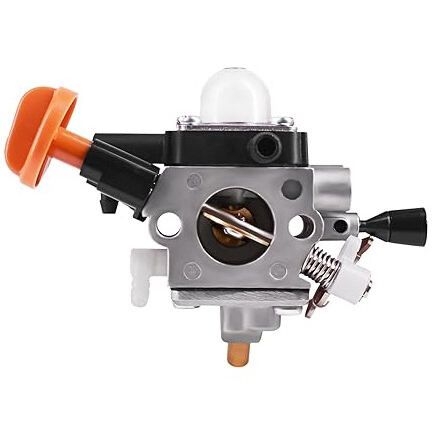
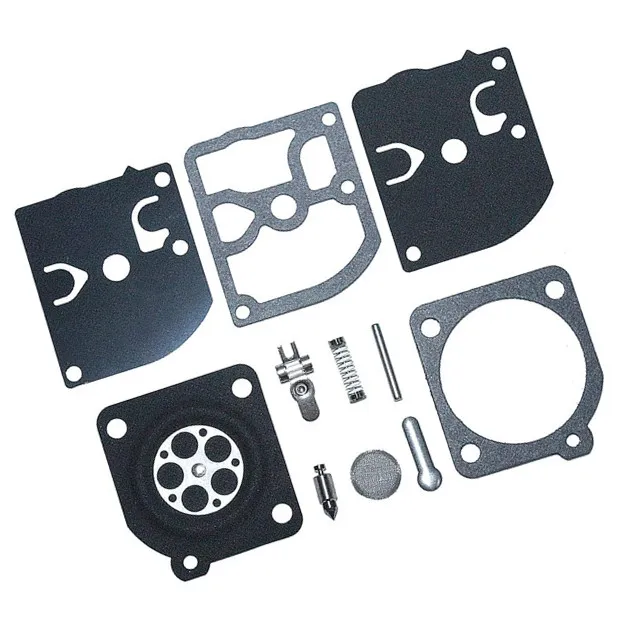
Cleaning and repairing a GX340 carburetor can make it run even better, so let's get the process going! Don't panic; it's actually not as hard as it sounds! With a few tools, some patience, and the right procedure, you can make your carburetor run like new again. Here’s a step-by-step how to clean-rebuild-measure your GX340 carburetor.
The first step before starting the cleaning process is to collect some vital tools. You’ll need a carburetor cleaning kit, a set of screwdrivers, some cleansing agent and a bowl or container for all of the small parts. Then, once everything is in place, you are ready to start the cleaning process!
Step one, gently take the carb out of the engine. You can look up the manual that was provided with your engine for useful information. It’s also crucial to take care at this step and ensure no screws or small pieces go missing. You can throw them in a bowl for safekeeping while you work.
With the carburetor removed from the engine, you can finally begin disassembly. Unscrew screws that hold the carburetor together with a screwdriver. As you disassemble it, drop each piece into the bowl you put aside earlier. That way, you won’t lose anything, and you’ll know where each part belongs when it’s ready to come back together.
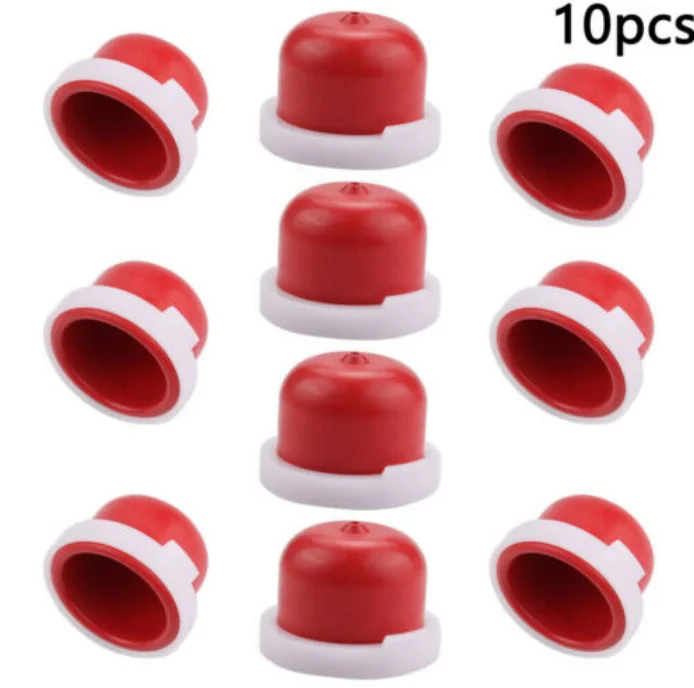
Once you have disassembled the carburetor, it is time to clean all the separate parts. Put the parts in the carburetor cleaning kit and follow the instructions provided. This helps to make sure you are cleaning them well. In addition, you must clean up inside and on top of the carburetor using a cleaner. Cleaning is essential because dirt and buildup lead to poor engine performance.

The cleaning and drying of all components complete, you may then reassemble the carburetor. And follow the user manual so you know in which order to put everything back. It’s super important to ensure that all the pieces go back in place correctly. You need to make sure that all the screws are tightened well so that everything sticks in place.
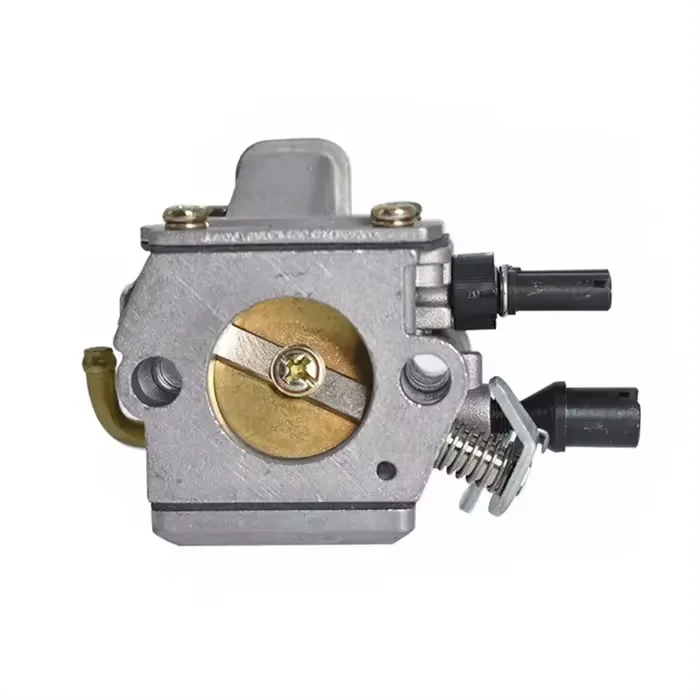
Solution: In cases where your engine does not turn over, inspecting the spark plug is a good place to start. Run a new test to ensure it is clean and free of breaks. Also, ensure that the fuel valve is open and that there is gasoline in the tank. A simple check may solve the issue at times.
Fuding Jingyi Rubber and Plastic Co., Ltd. is a manufacturer trader established in 2010 excels in RD production, gx340 carburetor for carburetors and diaphragms of the carburetor for outdoor power tool. Our focus is on diaphragm carburetors for chainsaws, trimmers, lawnmowers, brush cutter makers. We thrive on skilled teamwork high-end service, rigorous management, and unbeatable quality. Our competitive edge: innovating carburetor calibration. We refine production processes based on deep carburetor knowledge. We are looking forward to establishing the business relationship with you.
In our business we pride ourselves on providing gx340 carburetor quality products backed with a unbeatable after-sales guarantee From the first purchase to ongoing use we stand by our products guaranteeing satisfaction every step of the way We're dedicated to providing high-quality services and we extend our services beyond the supply of products If any problems arise we will provide prompt solutions We appreciate your trust and we will work with you to ensure that we meet our commitments
We offer our clients "convenient gx340 carburetor safe and reliable" logistics solutions Our efficient logistics system will guarantee that your order arrives on time with strict security measures ensuring that the order is protected throughout With real-time tracking you can be informed and confident that your purchases are being delivered without difficulty Shop with confidence and the world will come to you
gx340 carburetor offer a range of accessories and carburetor products such as trimmer heads filters for air, repair kits for carburetors kits, as well as other products that fulfill the varied needs of our clients. In addition we, at Fuding Jingyi Rubber and Plastic Co., Ltd. we go beyond just being manufacturers of carburetor products; we're the enablers for your personalized requirements. We provide a wide-ranging customization service, and aim to develop carburetor products which are customized to meet your specific needs.

 EN
EN
 AR
AR
 BG
BG
 HR
HR
 CS
CS
 DA
DA
 NL
NL
 FI
FI
 FR
FR
 DE
DE
 EL
EL
 HI
HI
 IT
IT
 JA
JA
 KO
KO
 NO
NO
 PL
PL
 PT
PT
 RO
RO
 RU
RU
 ES
ES
 SV
SV
 TL
TL
 IW
IW
 ID
ID
 LT
LT
 SR
SR
 SK
SK
 SL
SL
 UK
UK
 VI
VI
 ET
ET
 MT
MT
 TH
TH
 TR
TR
 FA
FA
 MS
MS
 AZ
AZ
 KA
KA
 LA
LA