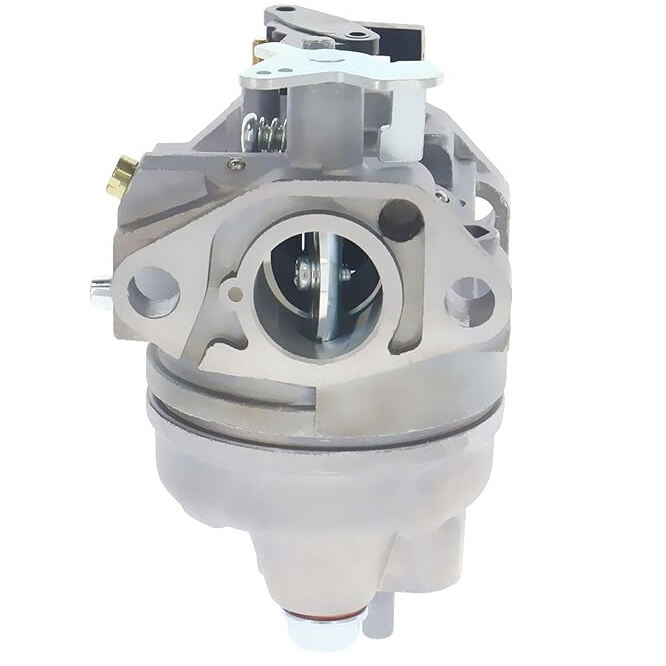
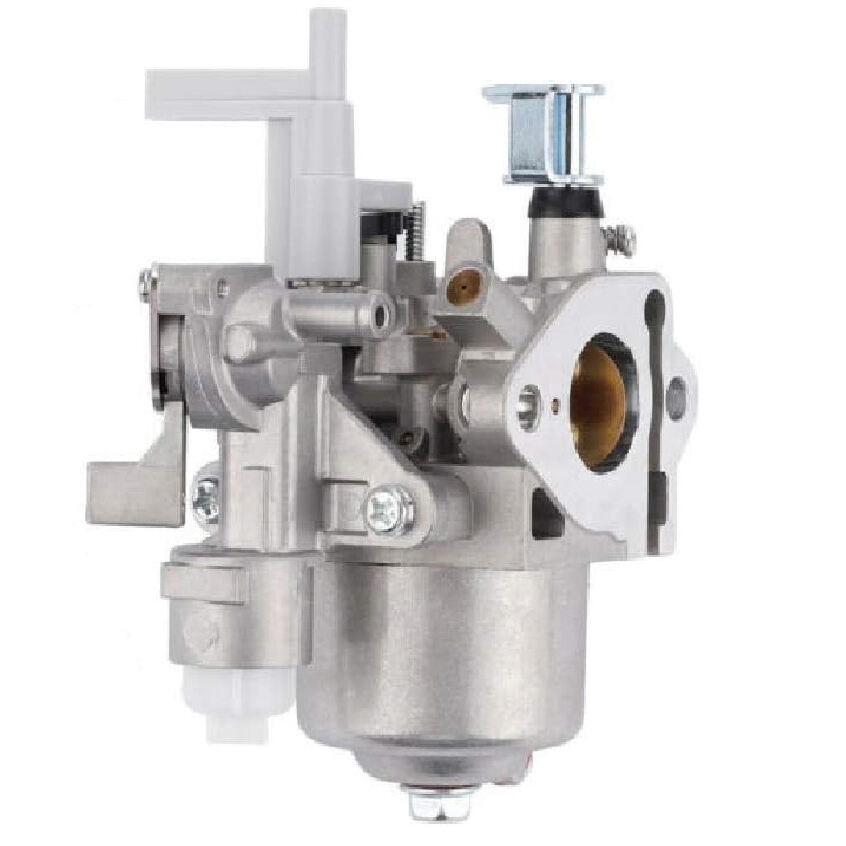
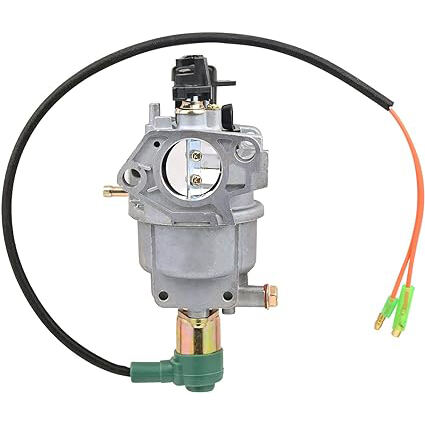
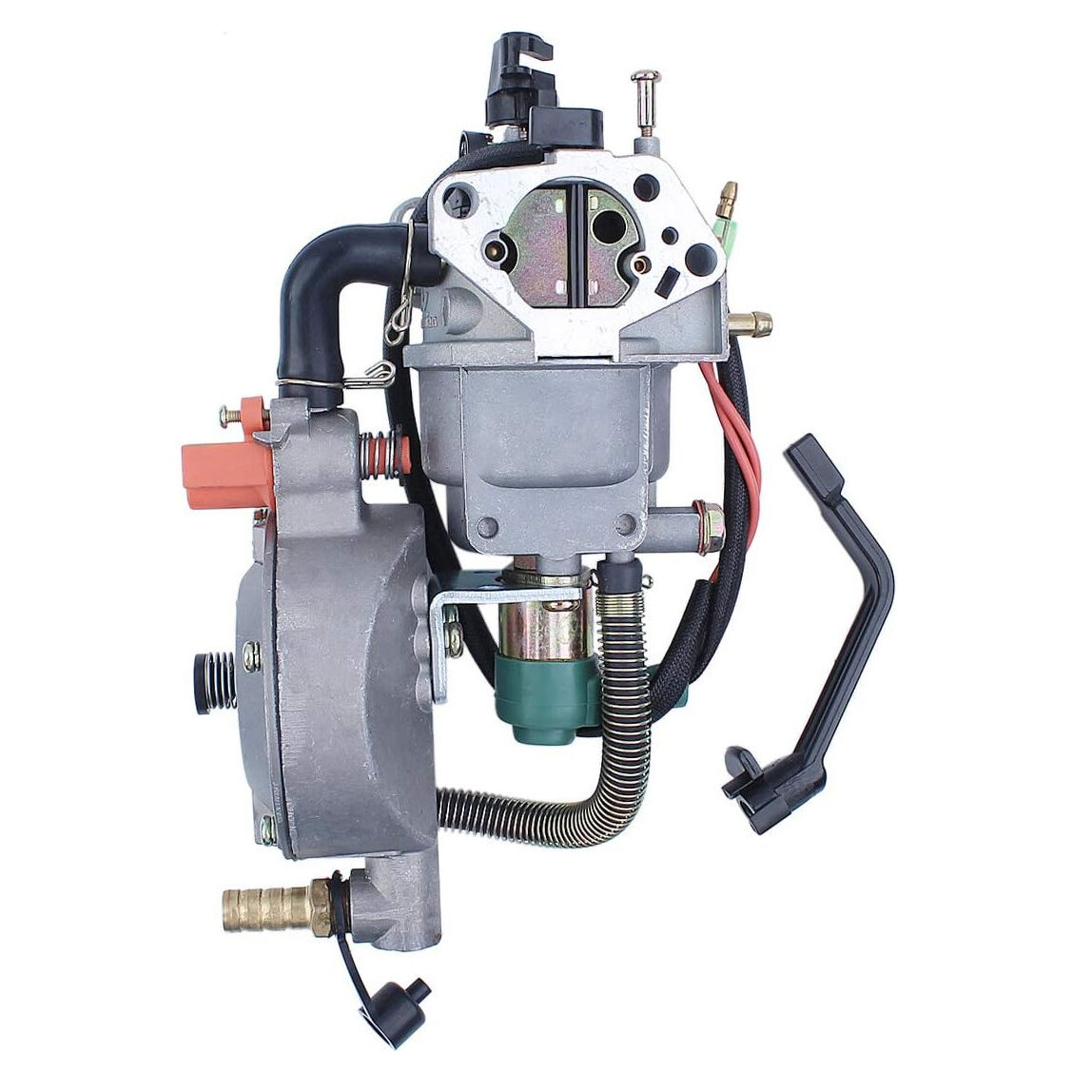
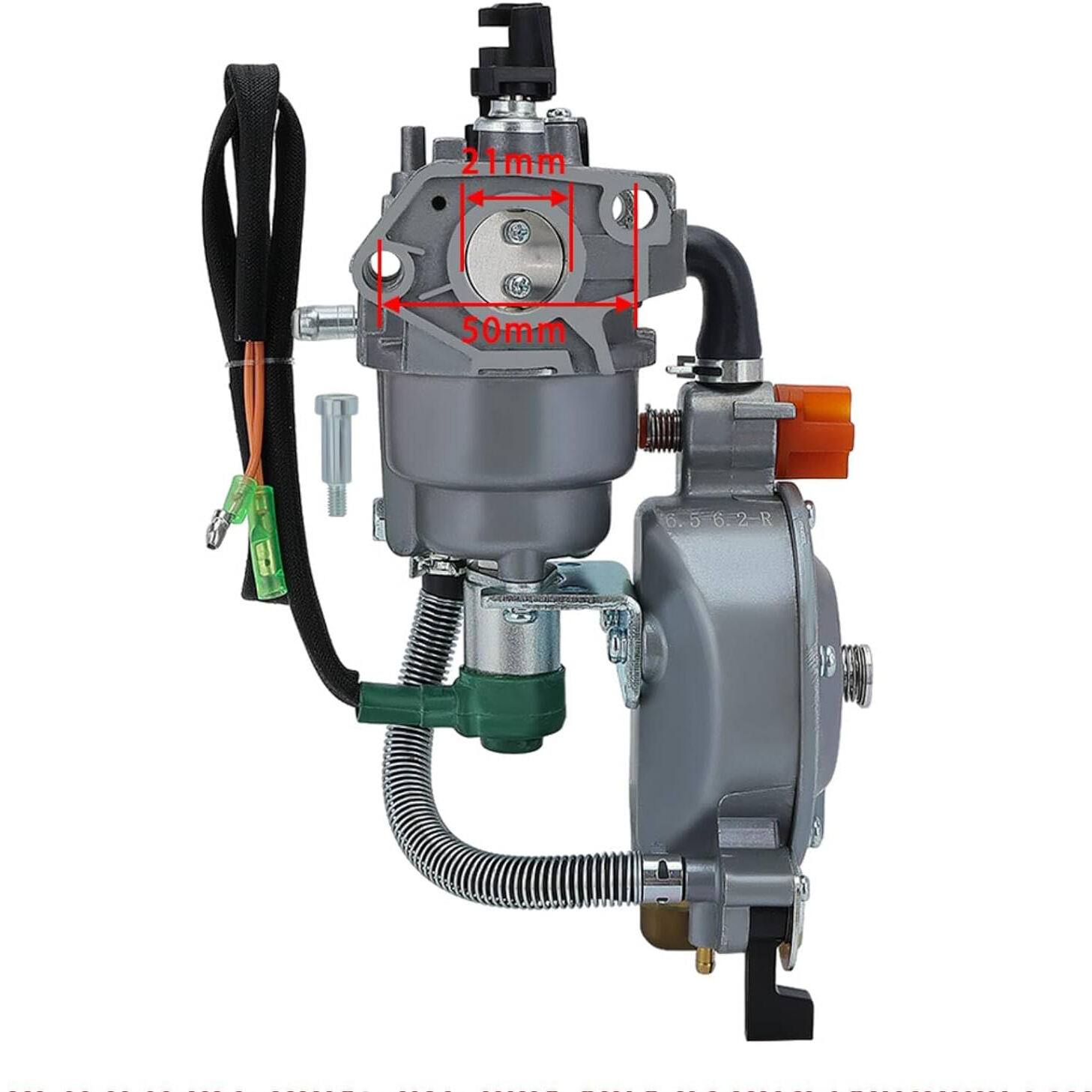
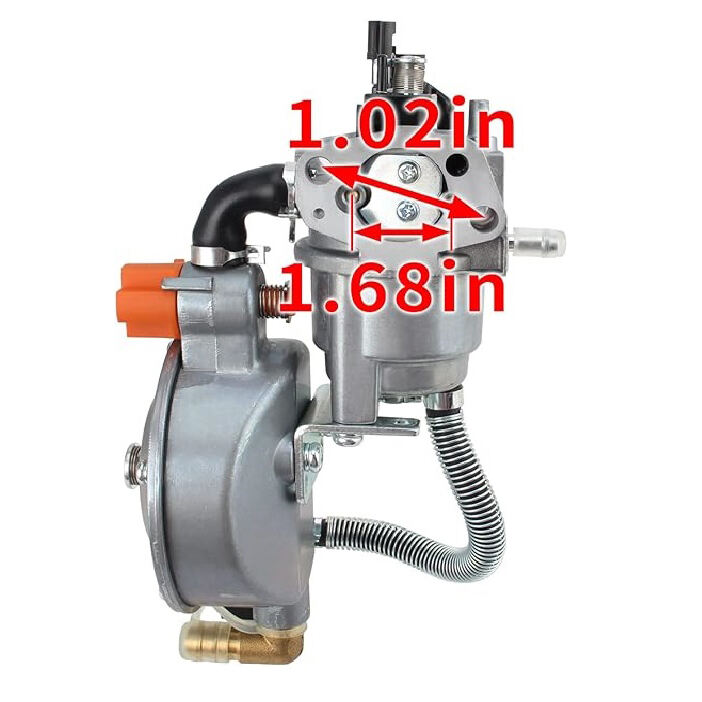
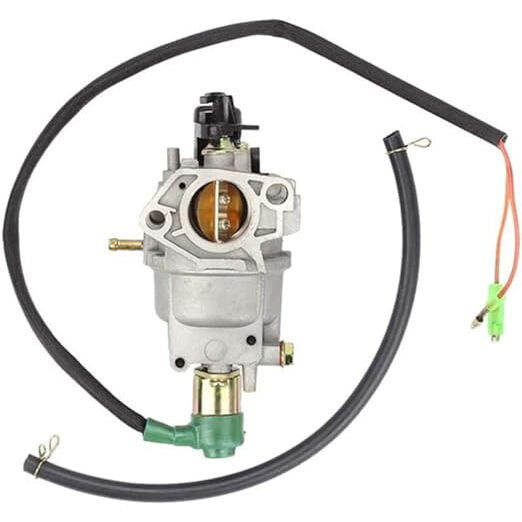
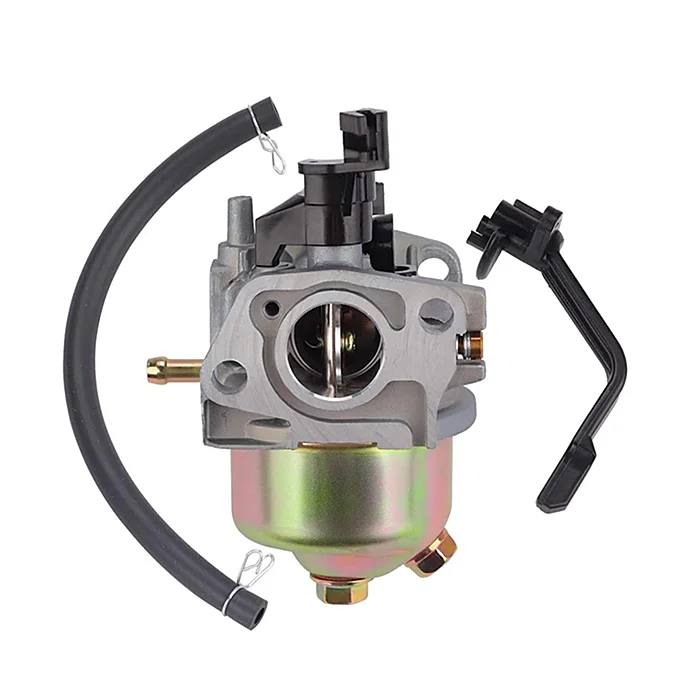
What we are going to talk about is a very important part of a generator that helps it start known as the recoil starter. This section is the most important for ensuring that the generator operates correctly and has a robust functionality. This article will guide you through what recoil starters do and how you can replace one that has stopped working, as well as troubleshoot some of the common issues that you may have with them. Knowing these will allow you to take better care of your generator and make sure it’ll run when you need it.
A recoil starter is a special device to start the generator engine. They use a pully (and spring) mechanism. You pull on the starter cord and that spins a pulley, and the pulley spins the flywheel of the engine. That spin creates a spark that starts the engine, much like turning a key in your car. To start the recoil starter, all you need to do is to pull the cord with a steady movement.
A recoil starter consists of a number of different parts. We also have the pulley, recoil spring, and starter cord. Each component has a specific function to assist in starting the engine. The pulley is what helps transfer the energy, and the recoil spring is the thing that pulls the cord back in once you pull it, while the starter cord is the thing that you actually pull to turn your generator on. All of these components must be functional for the starter to function.
Identifying Your Faulty Recoil Starter If your recoil starter is malfunctioning, it may be time to replace it. Before we begin, let's find the starter on your generator. Normally, it will be located on the side of the engine. It may require using a tool to take out the bolts that hold it down. Just be cautious while doing this, so you don't lose any small parts.
Installing the new recoil starter is the reverse of removing the old one. Line everything up, then tighten down the bolts to hold it all in place. Then, you would hook the starter cord to the pulley. Testing it (the starter) is critical before you use the generator. Try if starting smooth after pull the cord. If it does, rock on, You are ready to use your generator!
If the engine won’t start: Your generator's engine may not start — that doesn't always mean something is wrong with the recoil starter. Inspect the spark plug for dirt or damage. Check the fuel level to ensure there is sufficient gasoline. If there are mechanical issues, visually inspect the engine itself. It is important to look at these areas first, as they are often responsible for starting failure, before you think there is something wrong with your recoil starter.
Recoil starters are an essential component of all generators. These are the ones which give the first kick in the engine, enabling you to produce energy. The recoil starter is essential for the generator to even start in the first place, so it's of utmost importance that it runs well. That means keeping your recoil starter in tiptop shape is absolutely essential. To make sure your generator will fire up any time you need it, whether for a camping trip, a power failure, or some other occasion when you need dependable energy, performing periodic checks and maintenance will help.
Fuding Jingyi Rubber and Plastic Co., Ltd. Established in 2010, the company, which is a manufacturer trader is an expert in RD, production of generator parts recoil starter part and rebuild kits for carburetors, and diaphragms for carburetors for outdoor power tools. We are a specialist in diaphragm carburetors that are suitable for chainsaws, lawnmowers and brush cutter makers. We're a team of highly trained professionals who are driven by premium service, rigorous management, and flawless quality. Our competitive edge: innovating carburetor calibration. Our production methods are refined by our extensive expertise in carburetors. Looking forward to start business with you.
we at our company are proud to offer reliable quality products backed by an unwavering after-sales service guarantee from generator parts recoil starter until long-term use we stand by the products we offer and guarantee satisfaction throughout the process we are committed to providing high-quality services and we go beyond the delivery of the products if there are any issues we will provide prompt solutions select us for peace of mind and a partner who values your trust above all else
We offer a broad range of carburetor models and accessories, such as trimmer heads air filters, repair kits for the carburetor, as well as other products, comprehensively catering to the requirements of our clients. generator parts recoil starter is not just a producer of models for carburetors; we also allow you to customize your requirements. We provide a comprehensive customization service and strive to design carburetor solutions that are tailored for your particular needs.
Our generator parts recoil starter are "convenient secure and fast" Our efficient network of logistics will ensure your order arrives on time while strict security procedures guarantee the order's protection throughout You can easily keep track of your order in real-time and keep track of your order Shop with confidence and the world will come to you

 EN
EN
 AR
AR
 BG
BG
 HR
HR
 CS
CS
 DA
DA
 NL
NL
 FI
FI
 FR
FR
 DE
DE
 EL
EL
 HI
HI
 IT
IT
 JA
JA
 KO
KO
 NO
NO
 PL
PL
 PT
PT
 RO
RO
 RU
RU
 ES
ES
 SV
SV
 TL
TL
 IW
IW
 ID
ID
 LT
LT
 SR
SR
 SK
SK
 SL
SL
 UK
UK
 VI
VI
 ET
ET
 MT
MT
 TH
TH
 TR
TR
 FA
FA
 MS
MS
 AZ
AZ
 KA
KA
 LA
LA