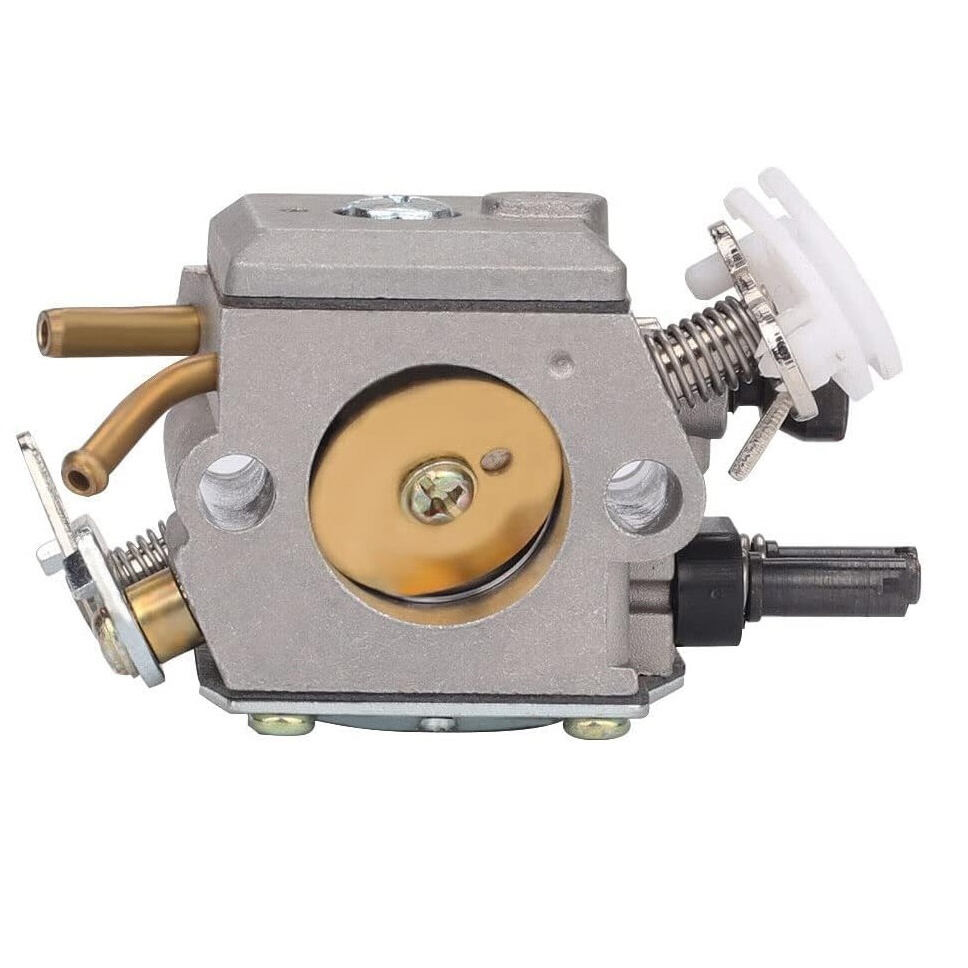
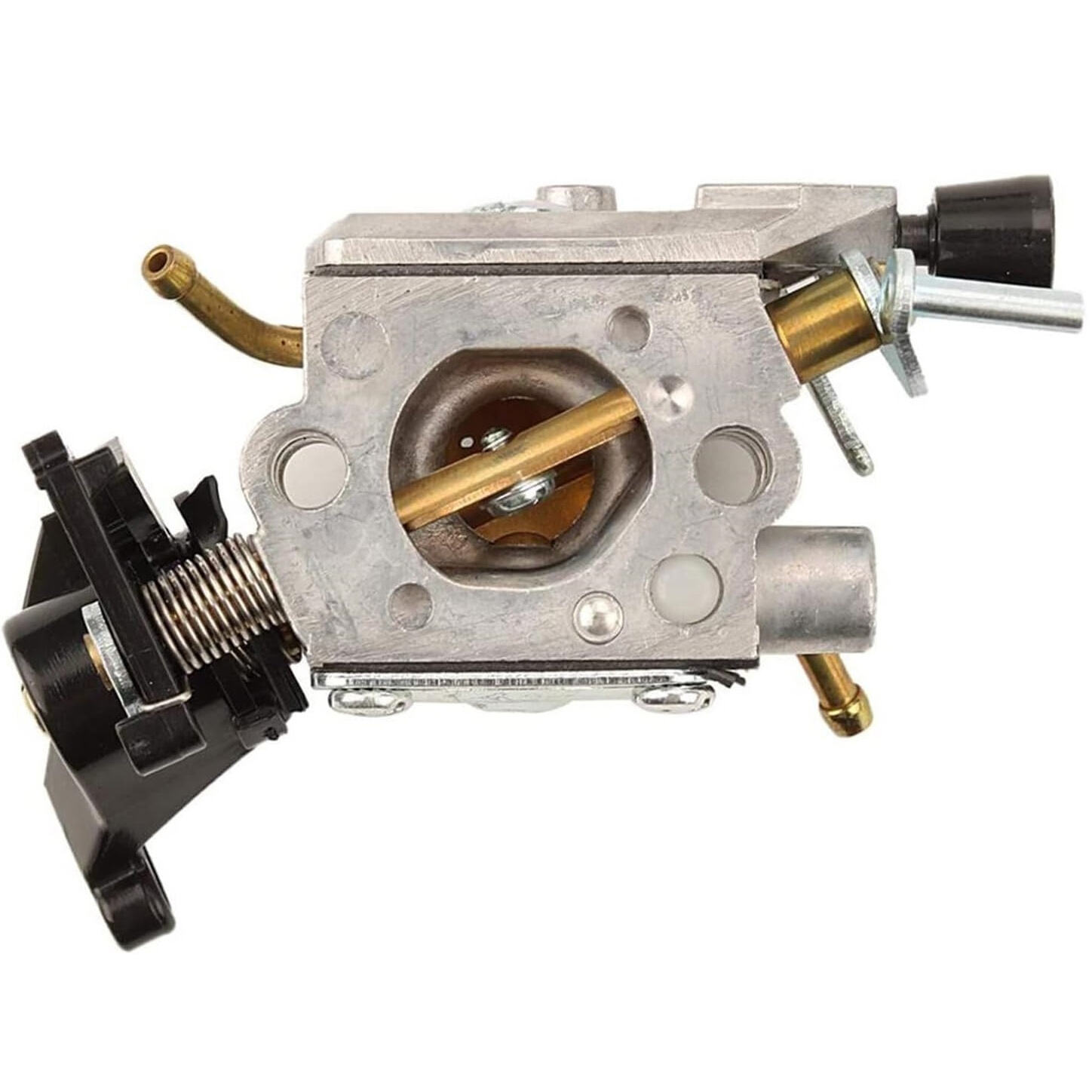
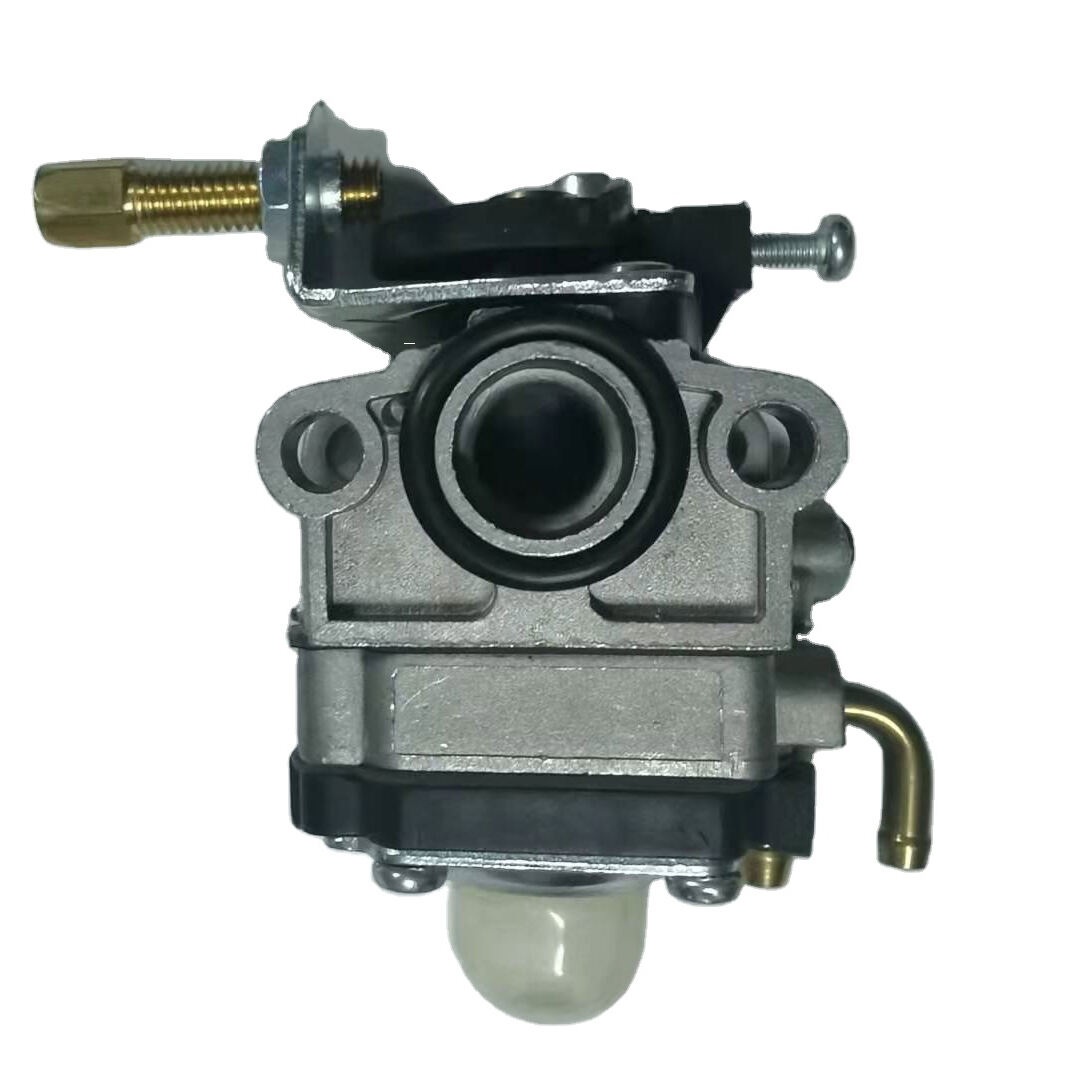
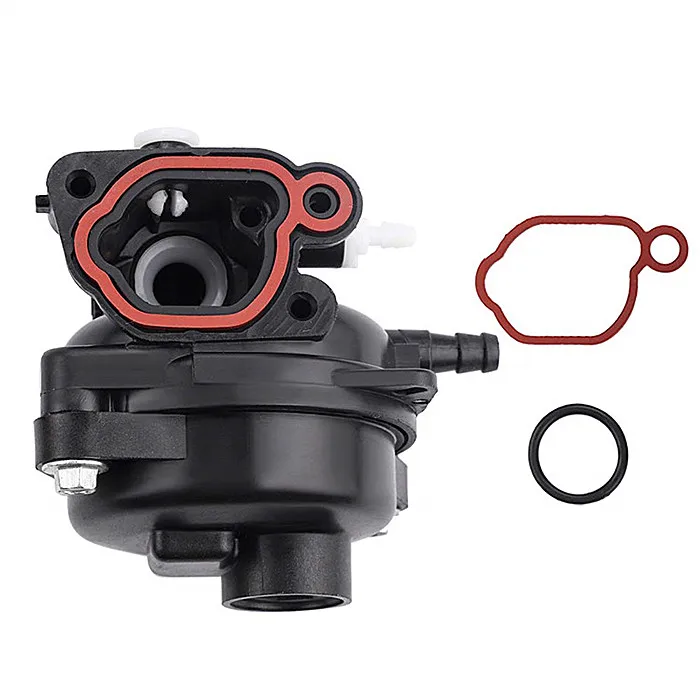
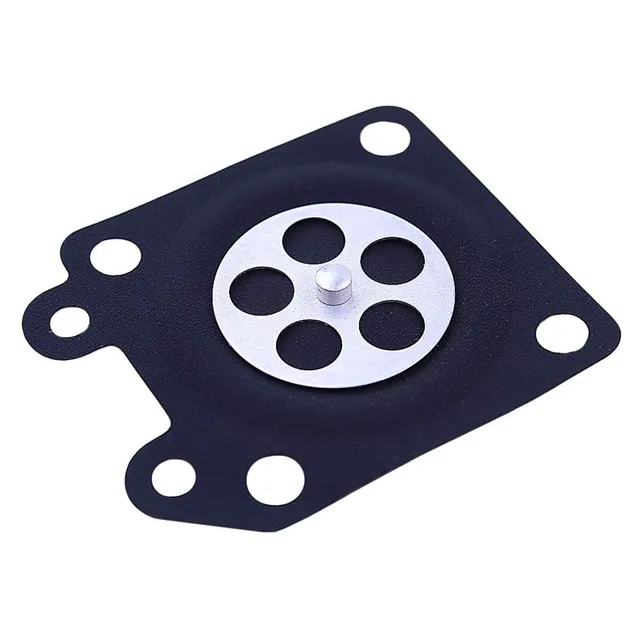
Firing up a 2 stroke engine can be quite challenging at times more, especially when you are not using it for a long time. You may worry about the beginning but fear not! Your engine can thus be much easier and faster to start with something known as a primer bulb. This guide will help you understand the correct method to use a primer bulb, why having one is beneficial, how to maintain it, and how to troubleshoot any issues. So let’s get into it, let's start XINJINGYI!
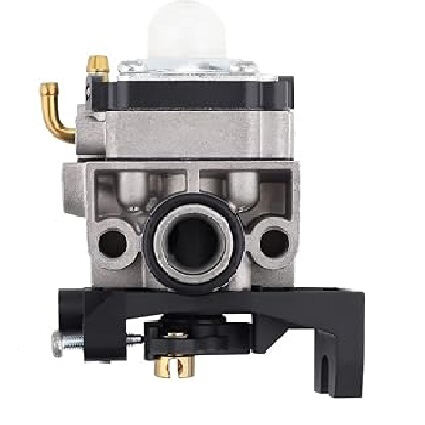
Priming a 2 stroke engine is so easy to do and can be accomplished in some simple steps. First, exercise a full tank of gas. This is significant because the engine must contain enough fuel to ignite. Make sure the fuel line is connected properly to the engine. Once all seems well, then you'll need to locate the primer bulb. Most primer bulbs are on the fuel line and are easy to spot.
Next, pump the primer bulb a few times. You want to squeeze it till it feels solid and hard. This is because the fuel is pumped through the line and into the carburetor — the necessary process to ensure the engine receives the fuel it requires to crank. Here you have primed the engine and will give the engine handle a few pulls to get it started. And there you have it! So now you know how to use a primer bulb to start your 2 stroke engine. It’s quick and easy!
There is no doubt that having a primer bulb on your 2 stroke engine is very useful for many reasons. First: it makes engine starting a whole lot easier. This is especially so if you haven’t run the engine in some time, and the fuel may have evaporated in the carburetor. But without sufficient fuel, fire can be difficult to ignite. The primer bulb ensures that the carburetor has enough fuel to function properly.
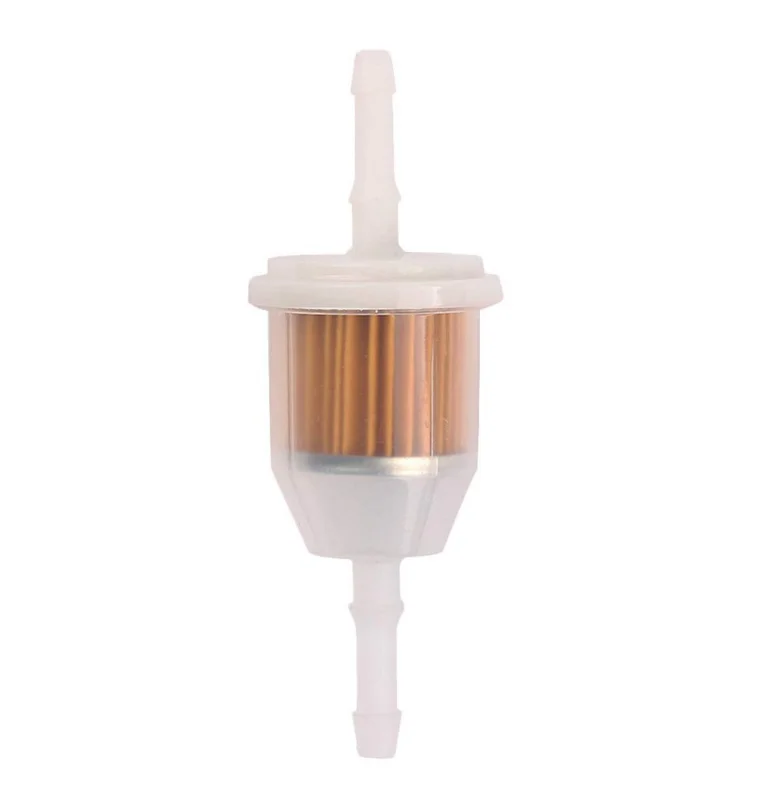
Having the right mixture of fuel in the carburetor can improve how well and how economically the engine runs. That’ll allow the engine to perform better and extract less gas. A primer bulb has another great advantage: it can be used to prevent engine flooding! Flooding is a common issue when trying to start a 2 stroke engine, and it occurs when too much fuel enters the engine. Having a primer bulb makes it easy to maintain a minimum fuel flow for starting.
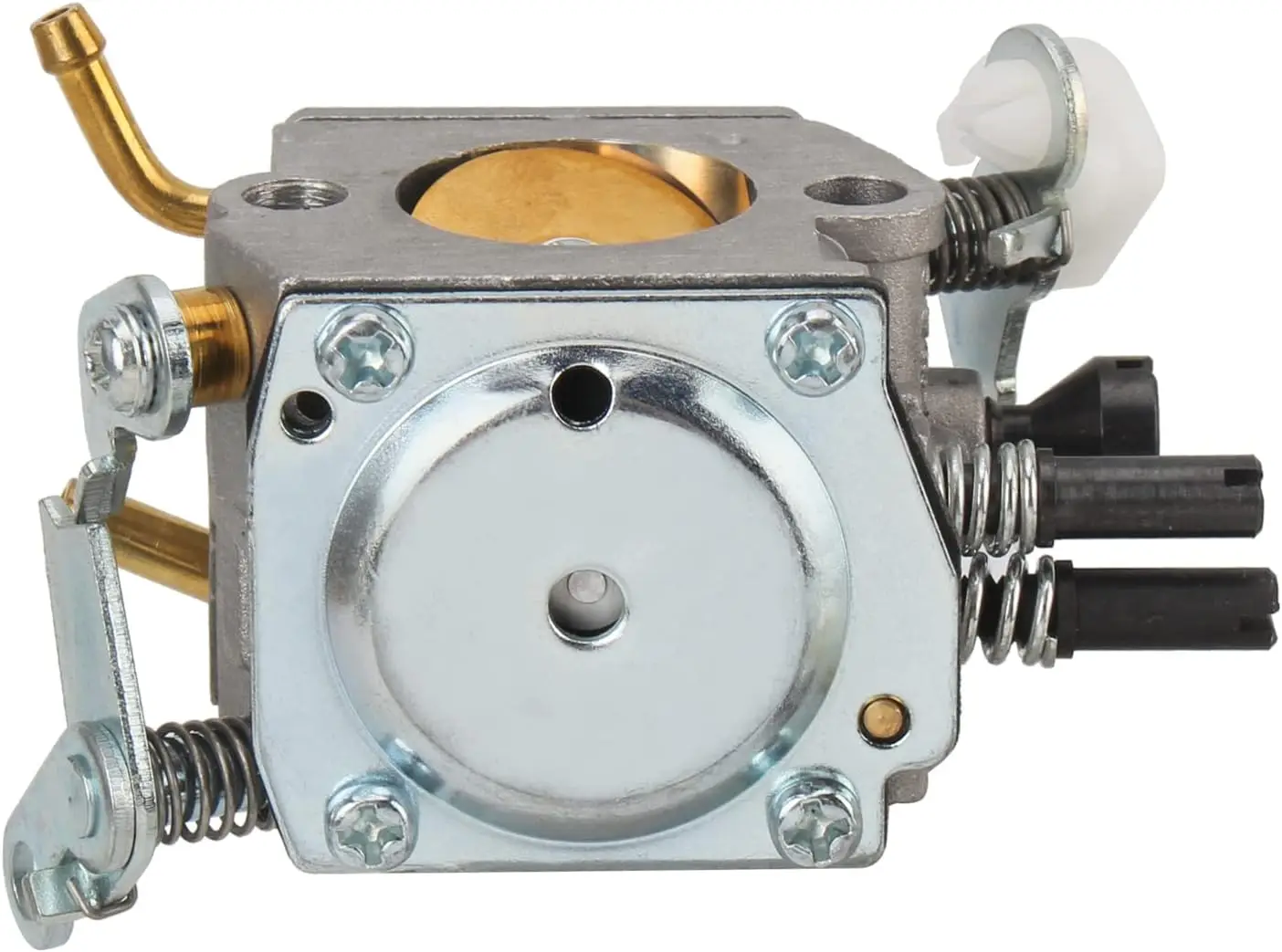
Ensure that the primer bulb is clean and does not have any dirt stuck in it. If dirt enters the bulb, it clogs the system and results in proper fuel flow in the engine. If there’s a lot of dirt or debris on the bulb, clean it off. Finally, check whether the primer bulb is extremely worn out or damaged and replace it immediately. Replacing a worn bulb before it fails, when you least need it to fail, is wise.
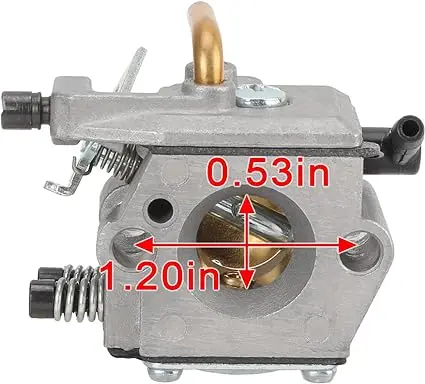
Primer bulbs are used to start an engine, but they can also be used on small 2 stroke engines (found in boats and lawn mowers). Small engines are harder to start than larger ones, and the presence of a primer bulb makes start-up much easier and more reliable. The primer bulb aides in getting the fuel to the engine promptly, which might help you avoid problems when trying to start it.
We provide our buyers with "convenient rapid safe and reliable" logistics solutions Our efficient logistics system will guarantee that your order arrives in a timely manner while 2 stroke engine primer bulb security measures ensure that the order is protected throughout You can monitor your order in real time and keep track of your order Shop confidently and let the world come to you
Fuding Jingyi Rubber and Plastic Co., Ltd. A manufacturer trader that was established in the year 2010 excels in RD, production, carburetor repair kits and diaphragms from carburetors for outdoor power tool. Our focus is on diaphragm carburetors that serve the chainsaw, trimmer, lawnmower and brush cutter makers. We rely on skilled teamwork and top service, strict management, flawless quality. Our competitive edge: innovating carburetor calibration. We refine production 2 stroke engine primer bulb with the help of our extensive knowledge of carburetors. We look forward to having a relationship with you.
In our business we pride ourselves on providing 2 stroke engine primer bulb quality products backed with a unbeatable after-sales guarantee From the first purchase to ongoing use we stand by our products guaranteeing satisfaction every step of the way We're dedicated to providing high-quality services and we extend our services beyond the supply of products If any problems arise we will provide prompt solutions We appreciate your trust and we will work with you to ensure that we meet our commitments
We offer a variety of carburetor models as well as accessories like trimmer heads and 2 stroke engine primer bulb, as well as repair kits for carburetors and other products that are able to cater to the needs of our customers. Fuding Jingyi Rubber and Plastic Co., Ltd. is more than just a manufacturer of carburetor models, we also allow you to customize your needs. We provide a wide-ranging customization service, and aim to design carburetor solutions specifically designed to meet the specific requirements of your.

 EN
EN
 AR
AR
 BG
BG
 HR
HR
 CS
CS
 DA
DA
 NL
NL
 FI
FI
 FR
FR
 DE
DE
 EL
EL
 HI
HI
 IT
IT
 JA
JA
 KO
KO
 NO
NO
 PL
PL
 PT
PT
 RO
RO
 RU
RU
 ES
ES
 SV
SV
 TL
TL
 IW
IW
 ID
ID
 LT
LT
 SR
SR
 SK
SK
 SL
SL
 UK
UK
 VI
VI
 ET
ET
 MT
MT
 TH
TH
 TR
TR
 FA
FA
 MS
MS
 AZ
AZ
 KA
KA
 LA
LA